MultiType Glitch Bugged: A Pixel Font with Edge
Capturing attention in a saturated digital landscape often requires a visual language that breaks the mold. For designers and creators seeking a typeface that combines retro aesthetics with a distinctly modern, disruptive flair, MultiType Glitch Bugged presents a compelling solution. This is not your standard pixel font; it is a carefully crafted display typeface designed to inject energy, personality, and a touch of controlled chaos into creative projects. Its unique character lies in its ability to evoke digital nostalgia while feeling entirely contemporary.
Understanding the Visual Character
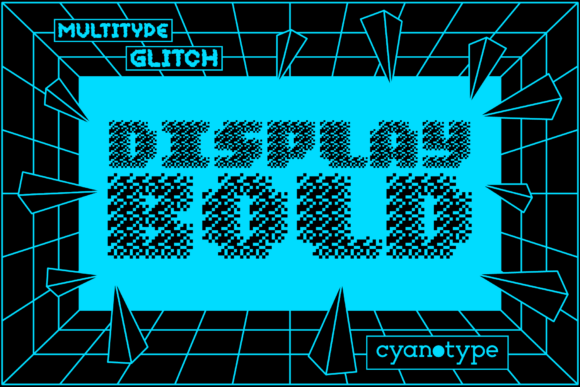
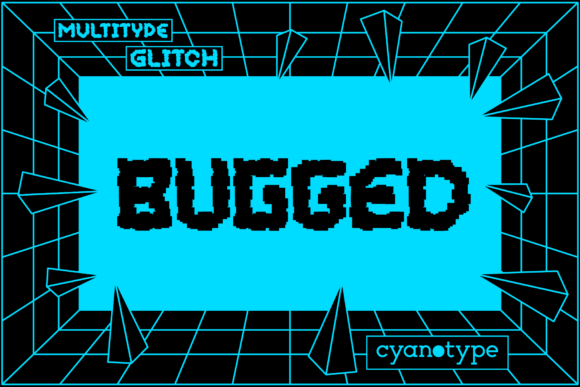
At its core, MultiType Glitch Bugged is a premium font built on a pixel grid, but its execution is far from ordinary. The letterforms are intentionally distorted, featuring irregular edges, misaligned pixels, and subtle breaks that mimic visual data corruption or screen glitches. This creates a dynamic, almost kinetic texture that static pixel fonts lack. The overall personality is bold, edgy, and slightly rebellious. It communicates a sense of technical savvy, creative experimentation, and a willingness to embrace imperfection for stylistic effect. Unlike a clean serif font or a neutral sans serif font, this typeface is a statement piece, designed to be the focal point of a composition.
The appeal of MultiType Glitch Bugged extends beyond its novelty. It taps into a broader cultural fascination with retro computing, vaporwave aesthetics, and the visual language of digital errors. For projects aiming to connect with audiences who appreciate these influences—such as in gaming, music production, tech startups, or streetwear branding—the font acts as an immediate visual shorthand. It feels authentic and relevant, avoiding the pitfalls of generic or overused design trends.
Strategic Applications Across Creative Fields
The true value of a creative font like MultiType Glitch Bugged is realized through its application. Its strength as a display font means it excels in contexts where it can be used at larger sizes for maximum impact. Consider its potential in logo design for a band, a digital art collective, or an indie game studio. The glitched texture ensures the mark is memorable and communicates a specific, avant-garde brand identity. Similarly, in packaging design for products like energy drinks, specialty coffee, or limited-edition tech accessories, the font can create shelf appeal that is both eye-catching and thematically consistent.
For editorial design and publishing, this typeface finds its place in headlines, pull quotes, and chapter titles. Imagine a magazine feature on cybersecurity, a blog header for a tech review site, or the title treatment for a young adult novel with a sci-fi premise. Here, MultiType Glitch Bugged can set the tone instantly, promising content that is cutting-edge and engaging. In the realm of web design and social media graphics, it is particularly powerful. It can be used for hero section titles, promotional banners, Instagram story headers, or YouTube thumbnails to stop the scroll. The font’s inherent energy translates well to digital screens, where first impressions are formed in milliseconds.
Practical Guidance for Designers and Creators
Integrating a distinctive typeface into your work requires thoughtful consideration. First, evaluate the project fit. MultiType Glitch Bugged is a specialist tool. It is ideal for projects that benefit from a high-energy, unconventional aesthetic. It may not be suitable for legal documents, traditional corporate communications, or body text where readability is paramount. Its role is to complement, not dominate, a design system.
When using it, font pairing is critical. Because it is so visually assertive, it pairs best with clean, simple typefaces. A classic serif font like Times New Roman or a neutral sans serif font such as Helvetica or Arial can provide a stable, readable foundation for body text, allowing the glitched display font to shine without causing visual fatigue. Avoid pairing it with other highly decorative or script fonts, as this can create a chaotic and illegible hierarchy.
Before committing, explore the full range of included styles and characters. A major advantage of MultiType Glitch Bugged is that it is PUA encoded, meaning all glyphs and swashes are accessible via standard software without requiring special design applications. Test the font in your specific use case. Mock up a headline, a logo, or a social media post to see how it interacts with your color palette, imagery, and overall layout. Pay close attention to readability at your intended size; while designed for impact, extreme distortions at very small sizes can become challenging to parse.
Finally, understand the licensing. As a commercial font, ensure its license covers your intended use, whether for a personal blog, client work, or merchandise. Respecting font licensing is a fundamental part of professional practice and protects your work and your clients.
Building a Cohesive Brand Identity
When used strategically, MultiType Glitch Bugged can become a cornerstone of a strong visual identity. For a brand targeting a young, tech-forward audience, the font can be consistently applied across touchpoints: from the website header and app interface to marketing emails and event posters. This consistency builds recognition and reinforces the brand’s personality as innovative and bold. The key is to use it with intention. Reserve it for key messaging—taglines, primary headlines, and logos—to maintain its special impact and avoid diluting its effect.
In the end, selecting a typeface like MultiType Glitch Bugged is about choosing a voice. It is a tool for designers, entrepreneurs, and creators who want to communicate with confidence, creativity, and a distinct point of view. By understanding its strengths and applying it judiciously, you can leverage this modern typography asset to create designs that are not only visually arresting but also strategically effective in capturing and holding audience attention.